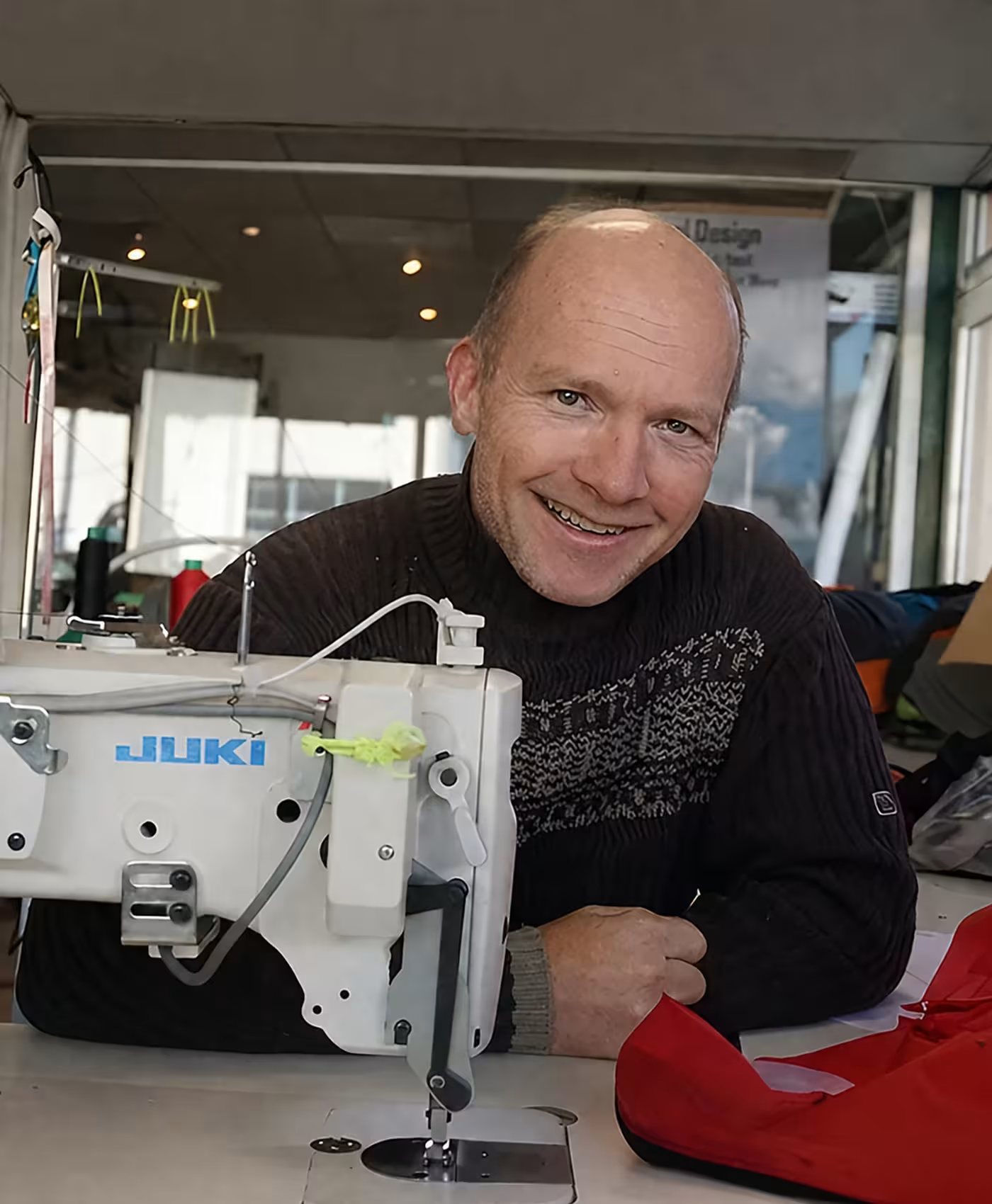
Meet Denis Cortella
From mountain guide to harness pioneer, and a lifelong quest to understand what pilots really feel in the air
For more than three decades, Denis has been one of the most influential figures in modern harness development. His designs have helped shape the way thousands of pilots experience flight, from recreational soaring to the highest levels of competition. But his journey into product design was never part of a grand plan.
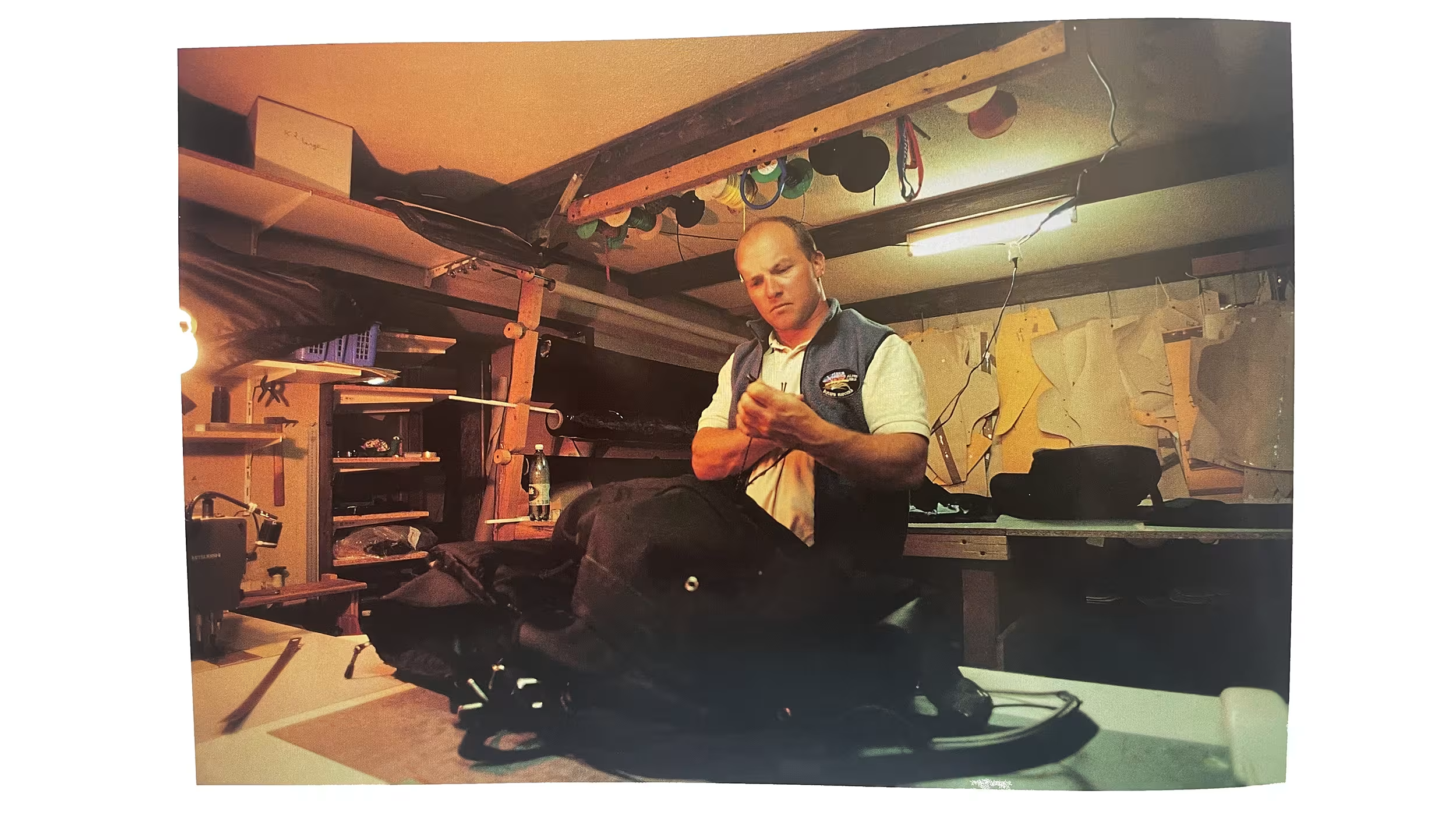
In the early 1990s, Denis was simply a passionate pilot, ski instructor and mountain guide. Like many pilots of that era, he was flying equipment that still had plenty of room for improvement. Little by little, he began building solutions for himself. Then other pilots started asking for the same equipment.
That was the beginning.
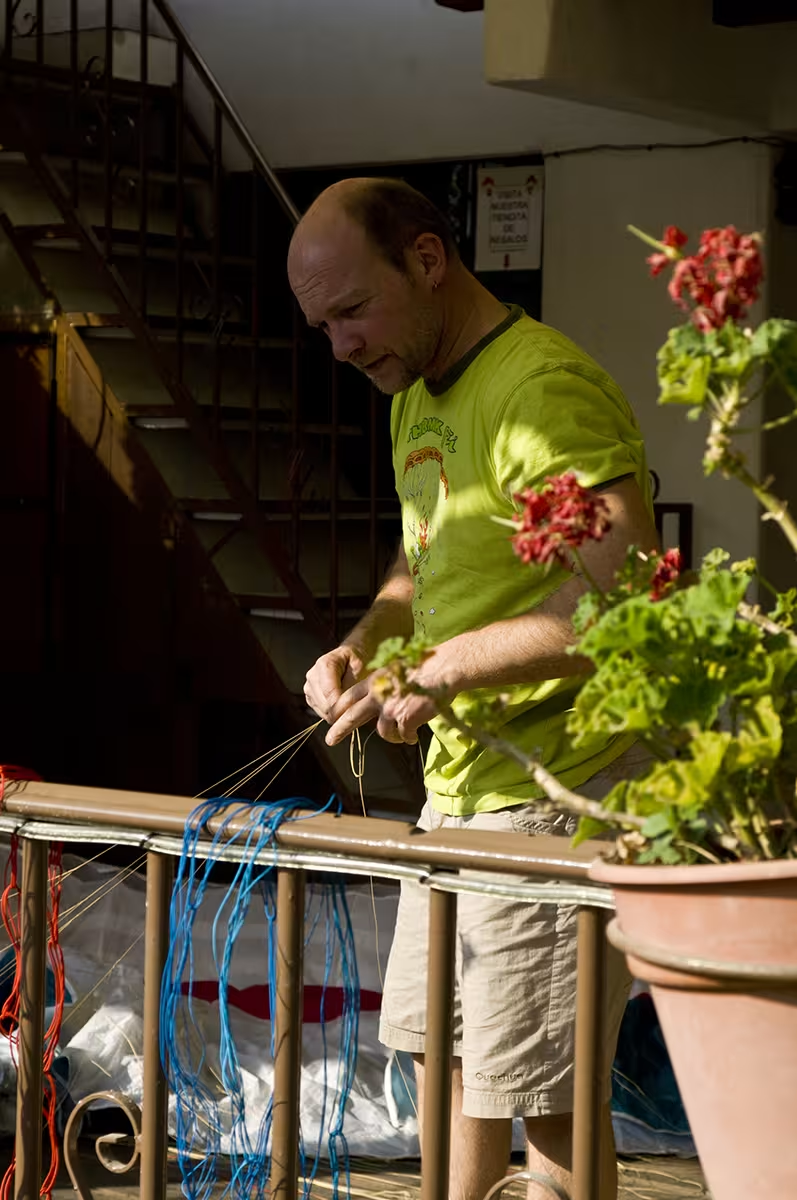
What makes Denis different is the way he approaches design. Before thinking about a product, he tries to understand the person who will use it.
His years as a ski instructor and mountain guide taught him to observe people closely: their fears, their reactions and the challenges they face while learning.
“When I see someone flying, I try to understand what is happening in their head,” he explains.
That philosophy has guided his work ever since. Rather than chasing specifications alone, Denis focuses on creating equipment that helps pilots feel comfortable, confident and connected to their wing.
For him, performance is not only about glide ratio or speed. It is also about how easily a pilot can understand the air around them.
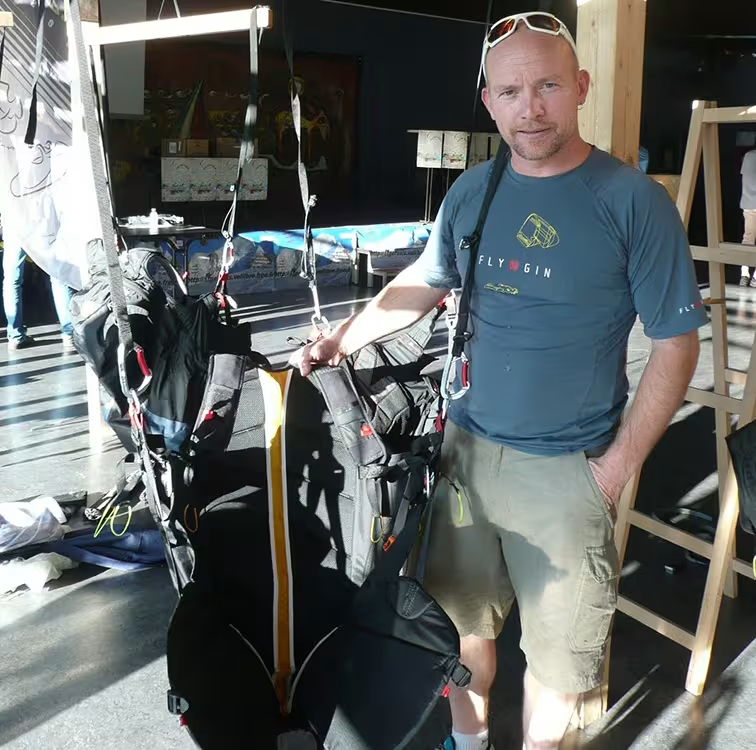
One of Denis’s biggest contributions to harness design has been his focus on comfort.
Long before comfort became a major topic in the industry, he was convinced that it directly affected safety and performance. A tired pilot makes poorer decisions. A comfortable pilot stays focused for longer.
This led him to rethink how a harness should support the body.
Instead of treating the pilot as a static object, Denis studied how pressure is distributed across the body during long flights. His goal was simple: spread the load more evenly, reduce fatigue and improve the connection between pilot and wing.
“The more contact you have with the harness, the more information you receive,” he says.
That search for better feedback continues to influence his work today.
Perhaps the most fascinating part of Denis’s story is the way he thinks about flying itself.
He often describes paragliding as an attempt to understand things we cannot see.
He remembers sitting with friends after a climbing day in Chamonix when an experienced pilot watched a glider overhead and predicted exactly when it would collapse. Moments later, it happened.
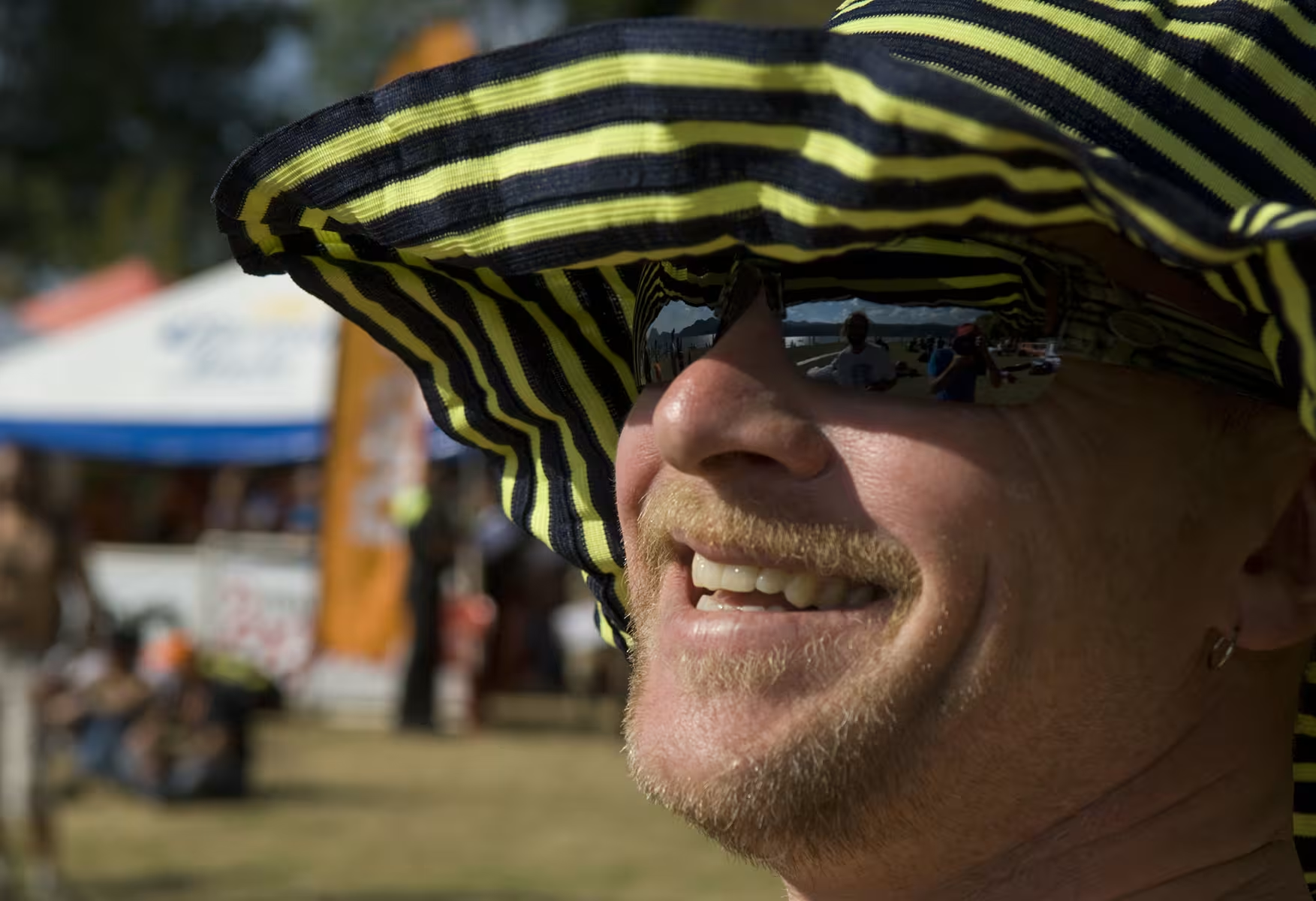
For Denis, that was a revelation.
“I wanted to learn how to read the invisible,” he says.
Since then, much of his work has focused on helping pilots better understand what the air is telling them. He believes that great equipment should not isolate the pilot from the atmosphere. Instead, it should provide the right information in a way that is clear and easy to interpret.
The goal is not simply stability. The goal is confidence.
Over the years, Denis has worked with some of the most respected names in the sport and has witnessed almost every major evolution in harness design.
From the first cocoon harnesses to modern competition systems, he has seen technology transform the way pilots fly. Yet he remains convinced that the most important lessons still come from experience.
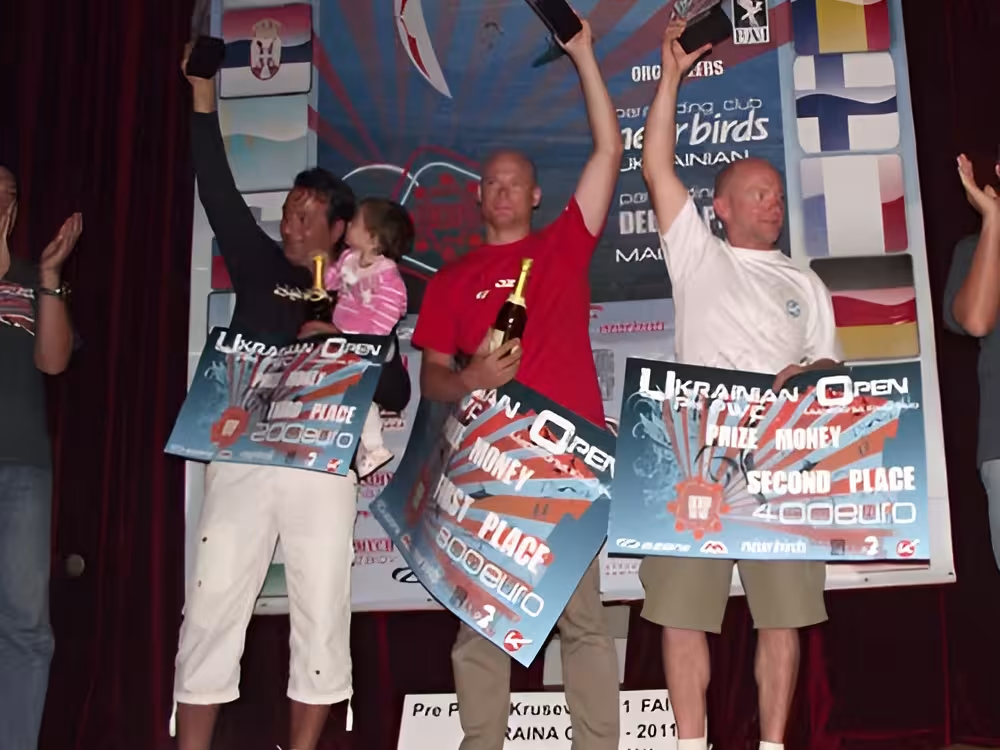
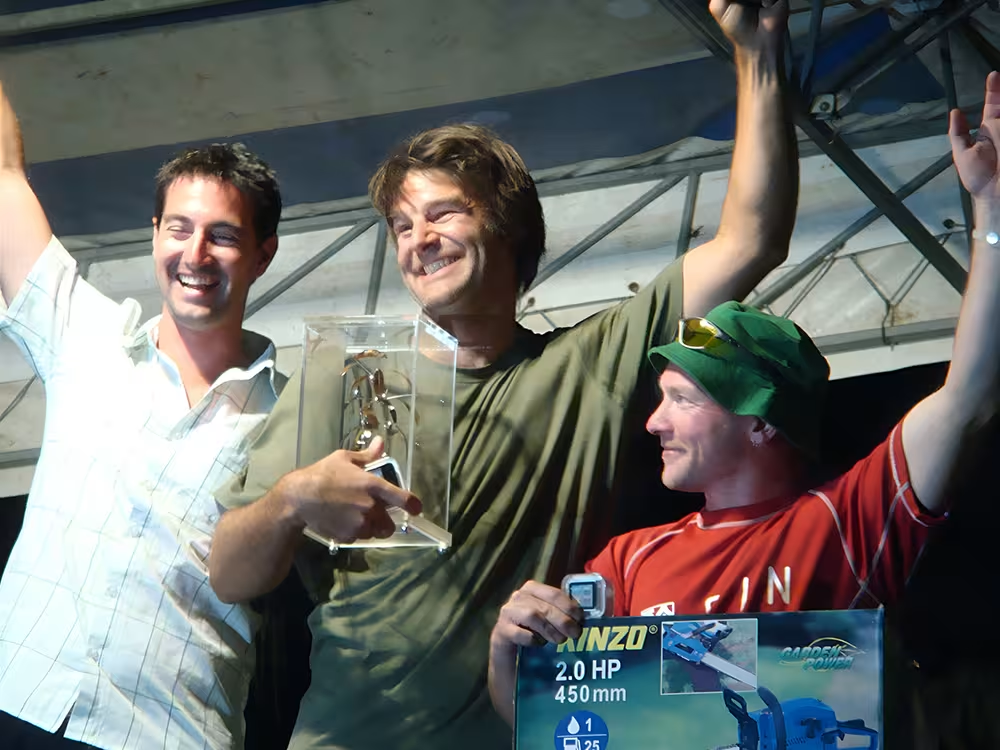
For Denis, every flight is an opportunity to learn something new. Every design is another attempt to solve a problem. Every prototype is a step toward a better understanding of what pilots need.
After more than 30 years, his curiosity remains unchanged.
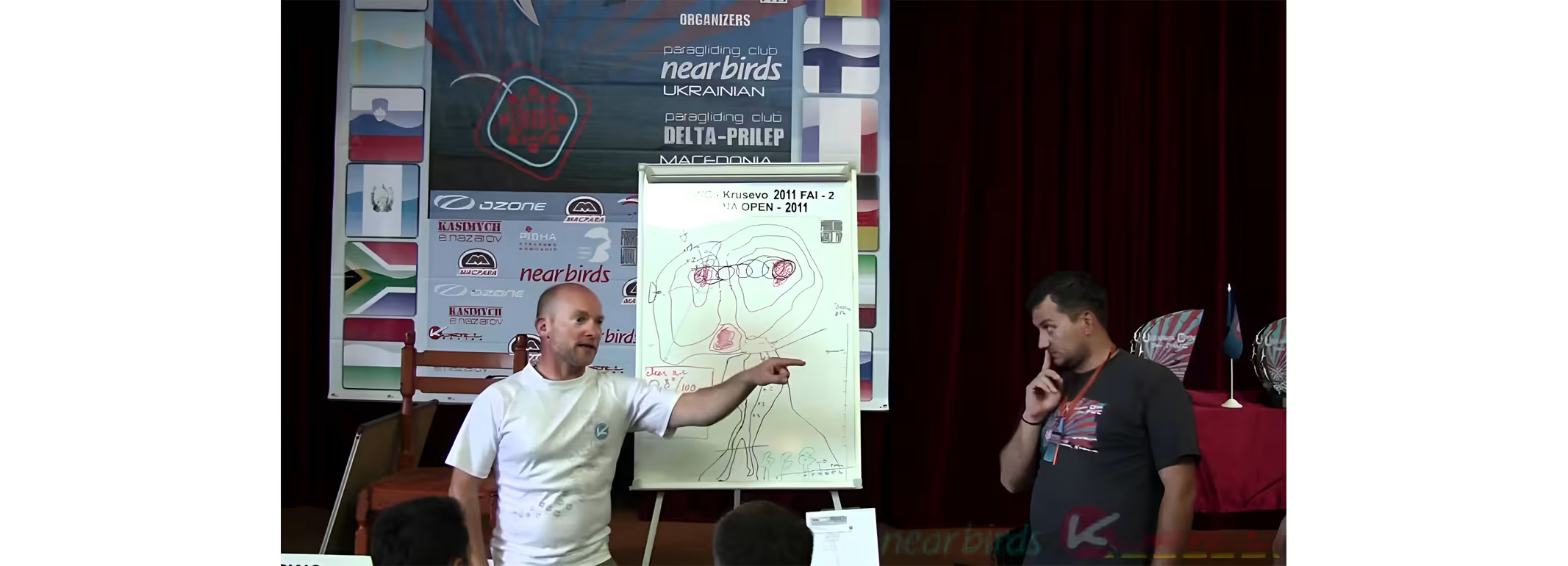
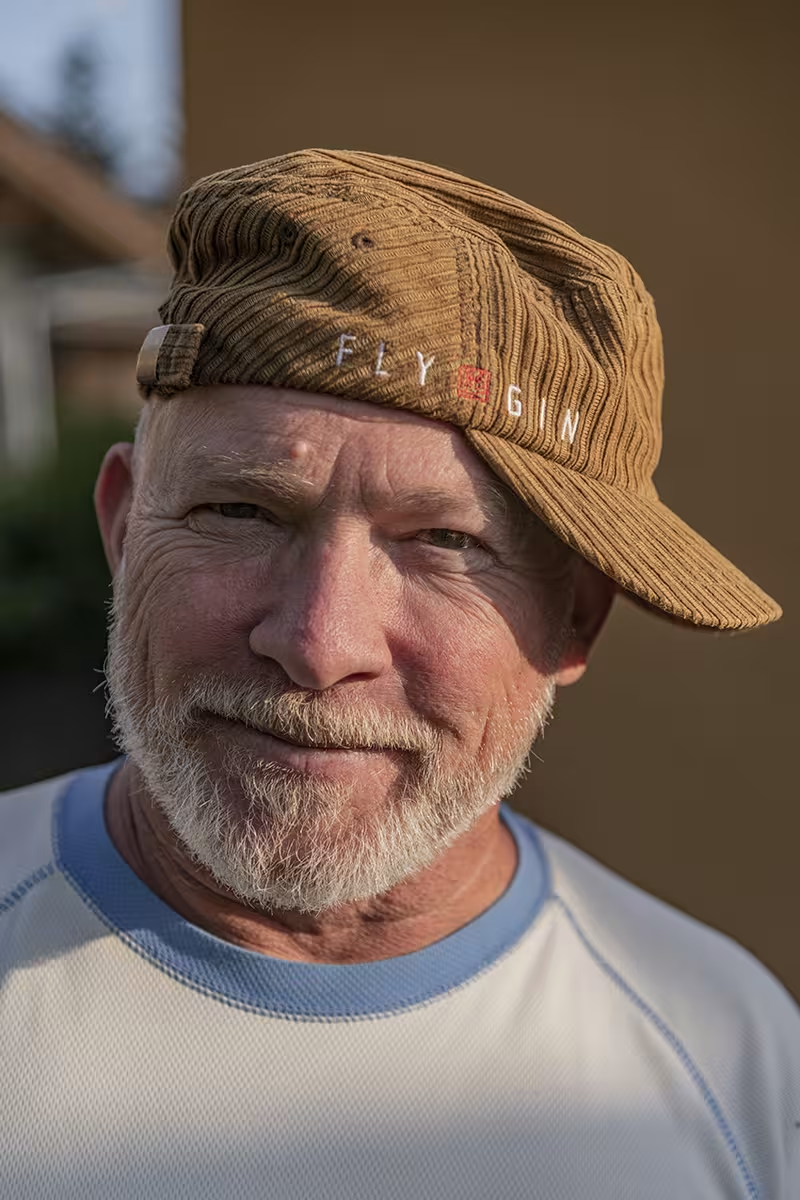
His mission is the same as it was when he built his first designs in the 1990s: understand the pilot, understand the air, and create equipment that makes the connection between the two a little better.
Because in the end, flying is not only about performance.
It is about learning to read the invisible.